

Connect with us!

09-25-26

Is Your Vehicle Ready for Winter? 5 Things to Check Before the Cold Arrives

Murray 100 Service ContestWe all know how quickly the weather can change in Southern Alberta. One day you're enjoying a warm fall afternoon, and the next you're scraping frost from the windshield, wondering where you put your gloves.

Before winter settles in, a little preparation can go a long way toward keeping your vehicle reliable, comfortable and ready for whatever the season brings.

Here are five things worth checking before the temperature drops.

Give Your Battery Some Attention

Cold weather can be hard on your vehicle's battery, and the last place you want to discover it's struggling is in a dark, frozen parking lot.

If your battery is getting older or you've noticed your vehicle taking longer to start, consider having it tested before winter. It's also a good time to check the terminals for corrosion and make sure connections are secure.

Check Your Wipers and Washer Fluid

Good visibility is essential when you're dealing with snow, slush and winter grime.

Check your wiper blades. If they're streaking, skipping, or leaving sections of the windshield untouched, replace them before winter. And don't forget the washer fluid. Switch to a winter-rated formula designed for freezing temperatures and keep the reservoir topped up.

Check Your Fluids

Your vehicle relies on several fluids to operate properly, and winter isn't the time to discover something is low.

Coolant is particularly important because it helps protect the engine in extreme temperatures. Also check your engine oil, brake fluid, and other fluids according to your vehicle manufacturer's recommended maintenance schedule.

Not sure what your vehicle needs? Your owner's manual is always a good place to start, or give us a call, and our in-house Parts & Service experts can assist.

Don't Forget Your Tires

We talked about winter tires in last month's Road Ahead, but they're worth another quick mention.

Beyond having the right tires for the season, check their condition and tire pressure regularly. Pressure can decrease as temperatures fall, so that first serious cold snap is a good reminder to take another look.

And yes, winter will arrive whether we're emotionally prepared for it or not.

Build a Winter Emergency Kit

Even a well-maintained vehicle can encounter an unexpected delay or breakdown.

Consider keeping a few winter essentials in your vehicle, including:

  • a warm blanket,
  • gloves and toque,
  • a flashlight,
  • a phone charging cable or power bank,
  • a small shovel,
  • an ice scraper,
  • jumper cables or a portable booster,
  • some non-perishable snacks and water.

If you regularly travel outside the city, you may want to add extra warm clothing and other supplies appropriate for longer waits in cold weather.

A Little Preparation Goes a Long Way

Getting your vehicle winter-ready doesn't have to be complicated. A few preventative checks now can help you head into the colder months with greater confidence, and potentially catch small maintenance issues before they become inconvenient ones.

If you're unsure whether your vehicle is ready, the Murray Chevrolet Cadillac Medicine Hat Service and Parts teams can help you check the essentials and prepare for the season ahead. Because when Alberta winter decides it's time, it rarely sends a calendar invite.
Read More
CATEGORIES »
TAGS »

09-10-26

Winter Tires: Why the Right Time to Prepare Is Before the Snow Flies

Early Bird Tire Swap OfferSeptember might still bring warm afternoons and plenty of sunshine, but Canadian drivers know how quickly the weather can change. Waiting until the first snowfall to think about winter tires can mean competing for an appointment when everyone else has had the same idea.

More importantly, winter tires aren't just about driving through snow. They're an important part of seasonal vehicle maintenance that can improve safety, protect your tires and help keep your vehicle performing as it should throughout the colder months.

It's About Temperature, Not Just Snow

One of the biggest misconceptions about winter tires is that you don't need them until there's snow on the road.

The more important number to watch is 7°C.

When temperatures fall below 7°C, the rubber compounds in summer and all-season tires begin to lose elasticity, reducing their ability to grip the road. Winter tires are made with compounds designed to remain flexible at much lower temperatures, helping maintain traction on cold pavement as well as on snow, slush and ice.

That means winter tires can provide an advantage even on a clear, dry November morning.

Better Grip Means Better Control

Winter driving asks a lot from your tires. They're responsible for transferring nearly everything your vehicle does—accelerating, steering and braking—to the road.

Winter tires combine cold-weather rubber compounds with specialized tread patterns designed to provide better traction in winter conditions. That improved grip can make a meaningful difference when braking, cornering or responding to an unexpected situation.

And while all-wheel drive and four-wheel drive can help a vehicle get moving in slippery conditions, they don't eliminate the need for proper tire traction when it's time to stop or steer.

For the best stability and control, Transport Canada recommends installing winter tires on all four wheels, rather than mixing winter and all-season tires.

Winter Tires Can Help Extend the Life of Your Other Tires

Another easy-to-overlook benefit: dedicated winter tires give your summer or all-season tires a seasonal break.

Instead of putting year-round kilometres on one set, you're dividing that wear between two sets of tires. With proper maintenance and storage, that can help extend the usable life of both.

The reverse is also important. Winter tires aren't designed for warm-weather driving. Their softer compounds can wear more quickly as temperatures rise, which is why switching them off again in spring is an important part of protecting your investment.

Maintenance Still Matters

Installing winter tires is only part of the equation. Tire condition plays an important role in how well they perform.

Before you put your winter tires back on, have them inspected for uneven wear, cracking, damage, and adequate tread depth. Transport Canada advises against using tires with less than 4 mm (5/32") of tread depth in severe snow conditions.

Check tire pressure regularly. Pressure decreases as temperatures fall, and an underinflated tire can affect handling, tread life and fuel efficiency. Check your tires when they're cold and use the pressure recommended by your vehicle manufacturer, typically found on the driver's door jamb or in the owner's manual.

Regular tire rotation can also promote more even wear, helping you get the best possible performance and lifespan from your tires.

Don't Wait for the First Snowfall

September is a good time to pull those winter tires out of storage and check their condition. Do they have enough tread for another season? Are they showing signs of age or damage? Will they need to be replaced?

Answering those questions now gives you time to make informed decisions—and book your seasonal tire change before the first major cold snap creates the annual rush.

When temperatures begin consistently dipping below 7°C, it's time to make the switch.

A little preparation now can mean better traction, better control and one less thing to worry about when winter arrives.

Because winter driving is unpredictable enough. Your tires shouldn't be.

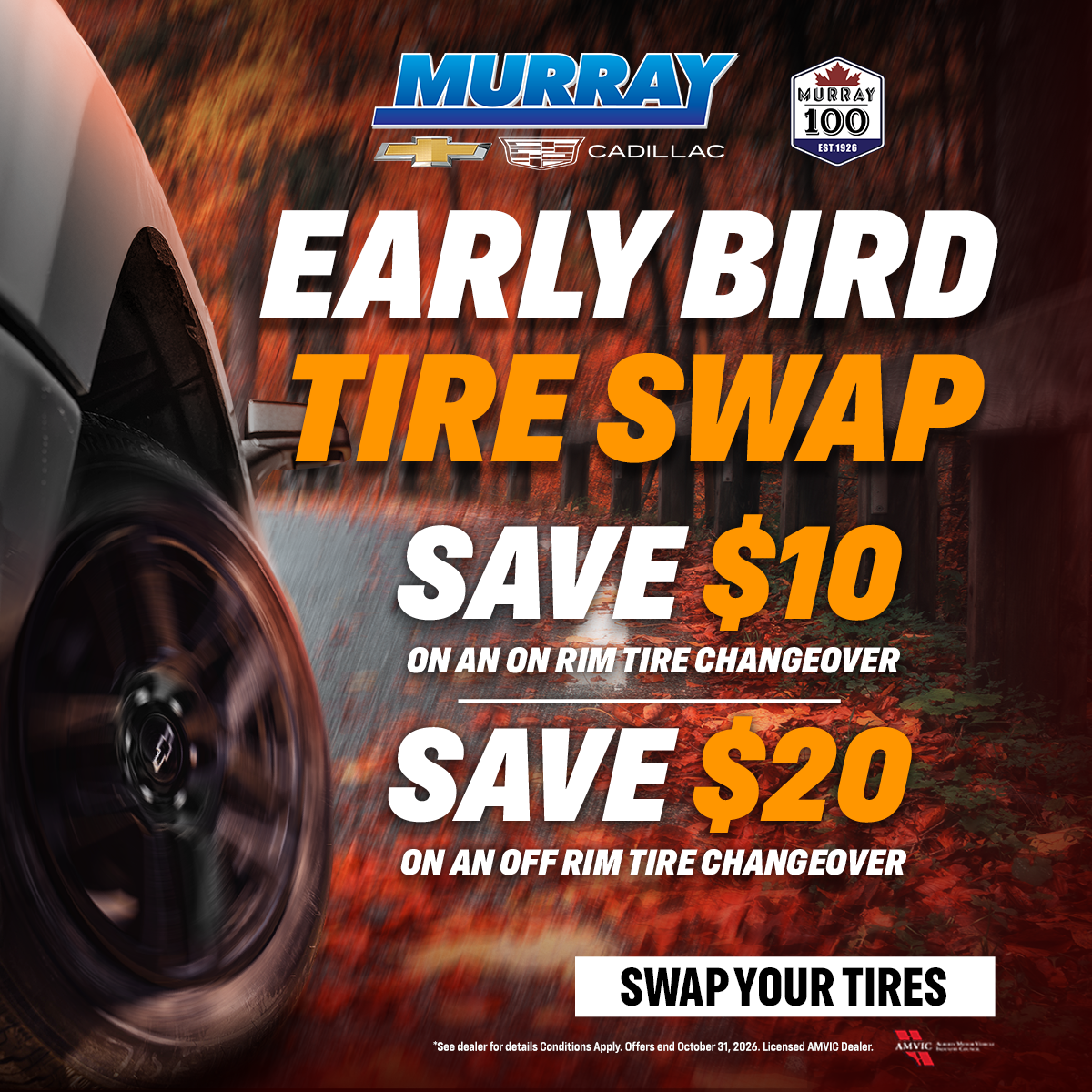
Get Winter-Ready and Save

Get ahead of the winter rush and take advantage of our Fall Tire Changeover Offer, available September 1 to October 31, 2026:

  • Save $10 on your On-Rims Tire Changeover
  • Save $20 on your Off-Rims Tire Changeover

Book your tire changeover today and head into winter ready for whatever the forecast brings.

Read More
CATEGORIES »
TAGS »

08-07-26

First-Time Buyer? Here’s How to Make Your First New Vehicle Purchase a Great One

New Car BuyersBuying your first new vehicle is a pretty exciting milestone. It represents freedom, independence, and maybe even a few spontaneous road trips. It can also feel a little overwhelming if you've never been through the process before, but it doesn't have to be.
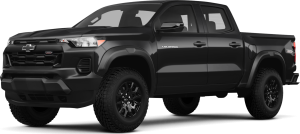
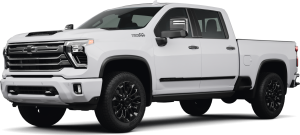
With a little preparation (and the right questions), you'll be ready to drive away feeling confident in your decision.

Know Your Budget

Before you start browsing, take a look at what you're comfortable spending each month. Remember to factor in insurance, fuel, maintenance, and registration, not just your monthly payment.

Do Your Homework

Think about how you'll actually use your vehicle. Do you need extra cargo space? All-wheel drive? Great fuel economy? Making a list of your "must-haves" can help narrow your choices and prevent impulse decisions.

Take a Test Drive

Pictures are great, but nothing compares to getting behind the wheel. Pay attention to comfort, visibility, technology, and how the vehicle feels on the road. If it doesn't feel like the right fit, keep looking.

Don't Be Afraid to Ask Questions

There's no such thing as a silly question when you're buying your first vehicle. Ask about warranty coverage, maintenance schedules, available technology, financing options, and anything else that's on your mind. A good sales team wants you to feel informed, not pressured.

Shop Smart

When it comes time to discuss pricing, it helps to do a little research ahead of time. Knowing current promotions, manufacturer incentives, and the value of your trade-in (if you have one) gives you confidence during the conversation. Remember, buying a vehicle should feel like a partnership, not a negotiation.

Think Long-Term

It's easy to focus on today's excitement, but consider how your vehicle will fit your life a few years from now. Choosing a vehicle that suits both your current needs and future plans can help you get the most value from your investment.

Your first vehicle is more than just a way to get from A to B; it's the beginning of new adventures, new opportunities, and plenty of memories along the way. Take your time, ask questions, and enjoy the experience. Before you know it, you'll be waving goodbye from the driver's seat.

Ready to find your first ride? There's never been a better time! GM Employee Pricing is on now, making it even easier to get behind the wheel of a new vehicle. Stop by and let's find the one that's right for you!

Read More
CATEGORIES »
TAGS »

07-09-26

Hit the Road with Confidence: Your Summer Road Trip Checklist

Summer is road trip season! Whether you're heading to the lake, exploring the mountains, or visiting family and friends, the last thing you want is an unexpected vehicle issue putting the brakes on your adventure.

Before you pack the snacks, queue up your favourite playlist, and hit the open road, consider giving your vehicle a little vacation prep of its own. A pre-trip inspection can help catch small issues before they become big headaches, giving you peace of mind so you can focus on making memories, not waiting for roadside assistance.

Here are a few key areas worth checking before you go:

Tires

Check your tire pressure and tread depth, and don't forget the spare. Properly inflated tires improve handling, fuel efficiency, and overall safety on long drives.

Fluids

Engine oil, coolant, brake fluid, windshield washer fluid, and transmission fluid all help keep your vehicle performing at its best, especially during hot summer weather.

Battery

Summer heat can take a toll on your battery. If it's been a few years since it was replaced or you've noticed slower starts, it's a good idea to have it tested.

Brakes

If you've noticed squealing, grinding, vibrations, or longer stopping distances, don't ignore the warning signs. Safe travels start with reliable brakes.

Lights & Wipers

Working headlights, brake lights, and turn signals help keep everyone safe, while fresh wiper blades are essential for those surprise summer downpours.

Air Conditioning

A comfortable drive makes every road trip more enjoyable. If your A/C isn't blowing as cold as it used to, now is the perfect time to have it inspected before the temperatures climb even higher. (PS: we have 15% off all A/C services this month).

Emergency Kit

Pack the essentials: a flashlight, booster cables, first aid kit, bottled water, a phone charger, and a few basic tools. It's always better to have them and not need them than the other way around.

No one can predict every bump in the road, but a little preparation goes a long way. A quick pre-trip inspection can help you travel with confidence, knowing your vehicle is ready for wherever summer takes you.

Planning a summer getaway? Stop by before you hit the highway! Our team is here to help make sure your vehicle is road-trip ready—and this month, you can enjoy 15% OFF all A/C services to keep every drive cool and comfortable. Book your service appointment today!

Read More
CATEGORIES »
TAGS »

The Road Ahead: Murray Edition - Murray Chevrolet Medicine Hat

Contact Us:

Name:
Email:
Message: